Starting Qigong: Qigong Tips for Beginners
Qigong is an ancient Chinese practice that combines gentle movements, breathing techniques, and meditation to promote physical and mental well-being. If you are new to this practice, you might wonder how to start and what benefits you can expect. This guide will walk you through the essentials of beginning your qigong journey with confidence and clarity.
Understanding the Basics of Qigong
Qigong (pronounced "chee-gong") means "energy work" or "energy cultivation." It is designed to balance your body's energy, or "qi," to improve health and vitality. The practice involves slow, deliberate movements, controlled breathing, and focused meditation. These elements work together to reduce stress, enhance mental clarity, and improve sleep quality.
When you start qigong, you do not need any special equipment or a gym membership. You can practice in a quiet space at home or join a class for personalized guidance. The key is to move mindfully and listen to your body.
Practical tip: Begin with short sessions of 10 to 15 minutes daily. Gradually increase the duration as you become more comfortable with the movements and breathing.

Qigong Tips for Beginners: How to Get Started
Starting qigong can feel overwhelming if you do not know where to begin. Here are some practical tips to help you get started smoothly:
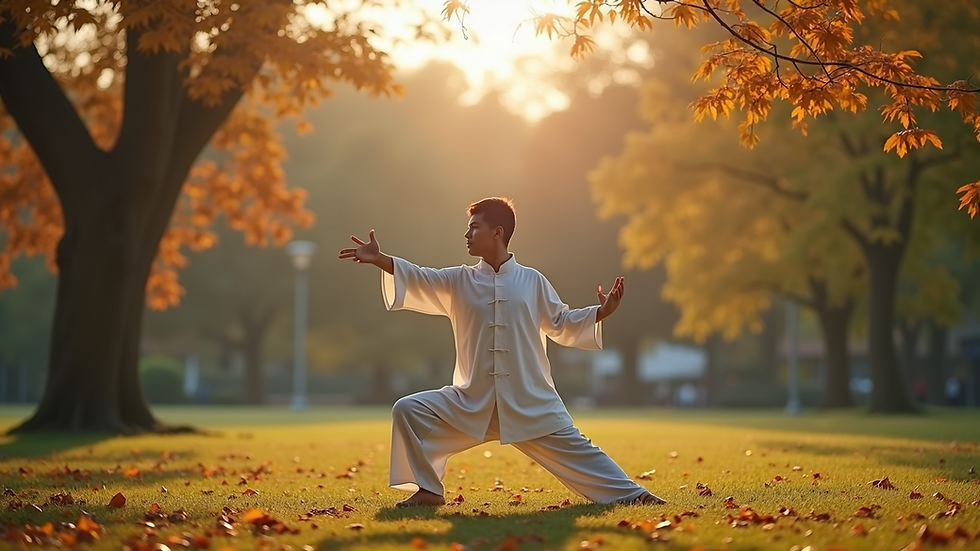
Find a quiet, comfortable space - Choose a place where you can focus without distractions.
Wear loose, comfortable clothing - This allows free movement and helps you relax.
Start with basic movements - Simple exercises like "Gathering Qi" or "Opening the Chest" are great for beginners.
Focus on your breath - Deep, slow breathing is essential to qigong. Inhale through your nose and exhale through your mouth.
Practice regularly - Consistency is more important than duration. Even 5 minutes daily can make a difference.
Seek personalized instruction - If possible, join a class or work with an instructor who can tailor sessions to your needs.
Remember, qigong is not about perfection but about connecting with your body and mind. Be patient and gentle with yourself as you learn.

Is Qigong Harder Than Tai Chi?
You might be wondering how qigong compares to Tai Chi, another popular Chinese practice. Both focus on energy flow and use slow, deliberate movements, but there are some differences that might affect your experience.
Qigong is generally considered easier to learn because it involves simpler, repetitive movements and places a strong emphasis on breathing and meditation. Tai Chi, on the other hand, is a martial art with more complex sequences and requires more coordination and balance.
If you are looking for a gentle introduction to energy work and stress reduction, qigong is often the preferred choice. It is accessible to people of all ages and fitness levels, making it an excellent starting point.
Actionable advice: If you want to explore both, start with qigong to build your foundation, then gradually try Tai Chi as your confidence and skills grow.
How Qigong Supports Your Mental and Physical Well-Being
One of the most compelling reasons to start qigong is its holistic benefits. Here’s how qigong can support your health:
Stress reduction: The slow movements and deep breathing activate your parasympathetic nervous system, helping you relax.
Improved sleep: Regular practice can calm your mind and body, making it easier to fall asleep and stay asleep.
Enhanced mental clarity: Meditation and focused breathing improve concentration and reduce mental fog.
Increased flexibility and balance: Gentle stretching and movement improve joint mobility and muscle strength.
Boosted immune function: Some studies suggest that qigong can enhance your body’s natural defenses.
To maximize these benefits, practice qigong consistently and combine it with a healthy lifestyle, including good nutrition and regular physical activity.
Personalized Qigong Sessions: What to Expect
If you choose to join personalized qigong sessions, you will receive tailored guidance that suits your unique needs. In Northern VA, many instructors offer beginner-friendly classes that focus on:
Adapting movements to your fitness level and any physical limitations.
Teaching breathing techniques that help manage stress and anxiety.
Providing meditation practices to improve mental focus.
Offering support and motivation to keep you engaged.
Personalized sessions are especially helpful if you want to address specific health concerns or prefer one-on-one attention. Your instructor will help you set realistic goals and track your progress.
Tip: Communicate openly with your instructor about your goals and any challenges you face. This will help them customize your experience for the best results.
Your Next Step in Qigong Practice
Starting qigong is a rewarding journey that can transform your mental and physical health. By following these qigong tips for beginners, you will build a strong foundation and enjoy the many benefits this practice offers.
If you want to explore more about qi gong for beginners, consider joining a local class or scheduling a personalized session. Remember, the key is to start gently, stay consistent, and enjoy the process of connecting with your body and mind.
Embrace the calm, balance, and vitality that qigong can bring to your life. Your well-being is worth the time and effort.
Ready to begin your qigong journey? Find a quiet space, breathe deeply, and take your first step toward greater health and peace today.


Comments